
Digital Marketing: A Practical Guide for Growing Your Business Online
Ask any shop owner how customers find them these days and you’ll hear the same thing: “Google, mostly. Or Instagram.” That’s digital marketing in a nutshell. It’s the work of getting your business in front of people who are already online and already looking.
Think about the last time you bought something. You probably searched for it, skimmed a few reviews, maybe checked the brand’s Instagram page. Your customers do exactly that. If your business isn’t showing up anywhere in that process, you’re losing sales you never even knew about.
A website alone won’t fix it. Neither will a post every few weeks. You need a plan. This guide covers what digital marketing is, how it works, the main types, and how a small business can start without spending a fortune.
What Is Digital Marketing?
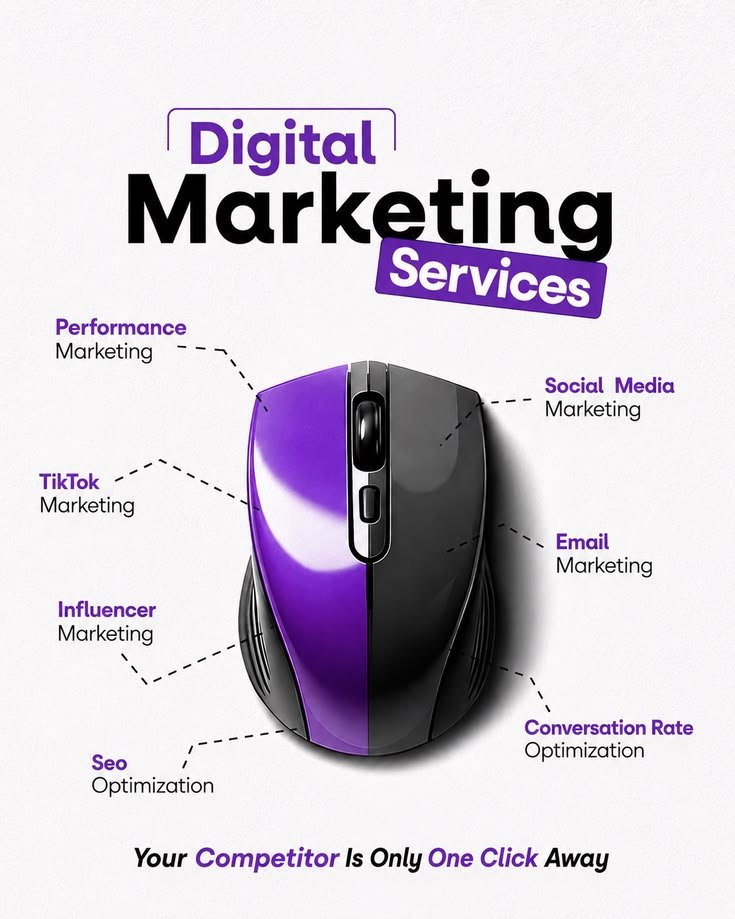
Digital marketing is any effort to promote a business online. Search engines, websites, social media, email, and paid ads all count.
Picture this. Someone types “digital marketing agency near me” into Google. They open your site, read about your services, and send a message. Nobody called them or knocked on their door. They found you, and that’s the point.
Sometimes the path starts elsewhere: a Reel that made them stop scrolling, a blog post that answered a question, a YouTube video. Every one of those is a first impression.
Here are the five methods you’ll hear about most:
- SEO (Search Engine Optimization)
- Social media marketing
- Google Ads
- Email marketing
- Content marketing
Each works differently. They share one aim, which is reaching the right people and earning their trust.
Another thing I like about digital marketing is that you can see the numbers. Visits, clicks, enquiries, sales. You’re not guessing which effort paid off.
How Does Digital Marketing Work?
It starts before you post or spend anything. You need to know who you’re talking to, what you want from them, and how much you can afford.
A neighborhood restaurant, for example, might put its energy into Google Business Profile, reviews, and food photos on Instagram. A software company would probably do the opposite: long-form articles, LinkedIn, email.
Still, most campaigns follow a similar path:
Research → Planning → Content → Promotion → Traffic → Leads → Conversions → Analysis
You research your audience, pick the channels they use, then make content or ads worth clicking.
Here’s how that looks in real life. An agency writes an article on improving website rankings. A business owner searches for tips, lands on it, and reads to the end. Then they click over to the services page and fill in the form. A single blog post just turned into a lead.
Of course, getting the click is only half the job. If your site loads slowly or hides your contact details, visitors leave. So make it fast, clear, and easy.
Then look at the results every month or so. They’ll tell you what to repeat and what to drop.
Main Types of Digital Marketing
There’s no one-size-fits-all here. What works depends on your audience, your industry, and your competition. Let’s go through the five main types.
1. Search Engine Optimization (SEO)
SEO is about helping your pages rank higher in organic search results, the ones you don’t pay for. When someone searches for what you sell, you’d like to be on that first page.
It usually involves:
- Keyword research
- Useful, relevant content
- Clear page titles and headings
- Internal links between your pages
- Technical fixes and local SEO
- A fast, easy-to-use site
Say a web design company builds a detailed page on website development and answers the questions customers actually ask. That page can start showing up in relevant searches.
The big plus is that SEO brings people who are already searching for you. The catch is time. Nobody can promise a rank, and real movement often takes months. But once it works, it keeps working.
2. Social Media Marketing
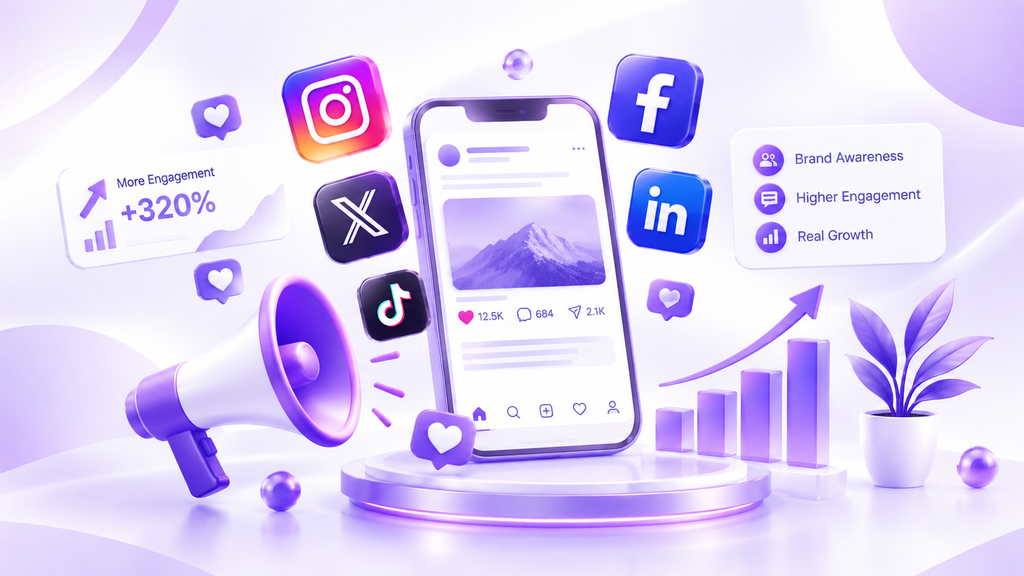
This means using Instagram, Facebook, LinkedIn, and YouTube to share content and talk with customers.
You might post regularly, make short videos, share quick tips, reply to comments, show customer stories, or run ads.
But posting daily isn’t the secret. Posting something worth reading is. An agency could share a three-line SEO tip or point out mistakes it sees on small business websites all the time. Do that for a few months and people start recognizing you. Reply to their comments, and they remember you even more.
3. Google Ads
With Google Ads, you pay to show up on Google. You don’t need to wait for your rankings to climb, which is the big difference from SEO.
Imagine a small business owner searching for a digital marketing agency. They’re comparing options right now. A well-written ad puts you in that comparison.
Ads can help you get leads, promote products, bring in local customers, and support online sales.
They’re not magic, though. Paying for clicks doesn’t guarantee sales. Your keywords, budget, landing page, and offer all matter. So check the results often and tweak things. Pouring in more money without looking at the data is how budgets disappear.
4. Email Marketing
Email lets you speak directly to people who asked to hear from you. Newsletters, product news, service updates, special offers.
An online store can announce a new collection. An agency can send a short tip or explain how a service works. It’s a simple way to stay in touch with customers.
Just don’t overdo it. Too many emails and people unsubscribe. Send things that are useful, keep a sensible schedule, and follow the privacy and email rules in your region.
5. Content Marketing
Content marketing is creating helpful material that answers questions. Blog posts, videos, tutorials, guides, case studies, infographics, FAQs.
An agency might write about SEO, social media, and ads. Readers learn something, and the ones who need help know who to call.
Good content also helps your SEO, since it tells search engines what your site is about. And you can reuse it on social media and in emails. Just write with a reason. Don’t publish filler to hit a number. Answer what people really ask.
Why Is Digital Marketing Important for Businesses?
People research before they buy. They read reviews, look at your social pages, and compare a few websites. If they can’t find you, they’ll find someone else.
Digital marketing puts you where your customers already are. SEO helps them discover you. Social media introduces your brand. Content answers their questions, and ads reach specific groups.
You also get data, which is a big deal. You can see how visitors use your site and which campaigns bring enquiries. Decisions get easier when you’re looking at results instead of hunches.
Nothing guarantees success. But a good plan gives you far more chances to reach the right people.
Benefits of Digital Marketing
Businesses of every size can benefit. How much depends on your strategy, budget, industry, and consistency.
- Wider reach. Reach people in your city, your country, or beyond, depending on what you sell.
- Better targeting. Choose audiences by location, interests, and search behavior.
- Brand awareness. Useful content and correct business details make you easier to remember.
- More leads. A clear service page with a simple form turns visitors into enquiries.
- Relevant traffic. More visitors isn’t the goal. The right visitors are.
- Measurable results. Track what works and fix what doesn’t.
- Stronger relationships. Helpful emails and quick replies build trust.
- Steady growth. When channels support each other, results add up.
How Can Small Businesses Get Started With Digital Marketing?
You don’t need every channel on day one. Starting small is easier to manage, and easier to measure. Here are eight steps.
Step 1: Define Your Goals
What do you want? More leads, more online sales, more local customers, or more recognition? Pick one. It’ll shape every decision after that.
Step 2: Understand Your Audience
Who needs what you offer? What problems do they have, and what do they search for? The clearer the picture, the easier your content becomes.
Step 3: Build a Professional Website
Your website is your home base. Make it mobile-friendly, fast, and simple to navigate. Put clear calls to action on it, and make sure nobody has to hunt for your phone number.
Step 4: Start With SEO
Find out what your customers type into Google. Then create pages and posts that answer those searches. If you serve a particular area, add local SEO too.
Step 5: Publish Useful Content
Write about the questions customers keep asking. Then turn the best ideas into short videos or social posts for people who’d rather watch than read.
Step 6: Pick the Right Social Platforms
You don’t have to be everywhere. Choose one or two platforms where your audience hangs out. Post consistently and see what gets real engagement.
Step 7: Consider Paid Ads
Once you know your audience and your offer, ads can speed things up. Start with one goal and a budget you’re comfortable losing a little of while you learn. Then watch the numbers.
Step 8: Track and Improve
Look at your traffic, leads, and campaign results regularly. Google Analytics and Google Search Console are free and very useful. Digital marketing is never really finished, so keep adjusting.
Frequently Asked Questions About Digital Marketing
What Are the Main Benefits of Digital Marketing?
It can improve your visibility, bring in the right audience, build awareness, generate leads, and show you what’s working. Results depend on your strategy, competition, budget, and execution.
Do Small Businesses Need Digital Marketing?
Yes, if they want to be found online. A small business can start with a good website, local SEO, helpful content, and a bit of social media.
How Long Does Digital Marketing Take to Show Results?
It depends. Ads can bring traffic within days of launching. SEO usually needs a few months. In both cases, results depend on competition and ongoing work.
Which Type of Digital Marketing Is Best for Beginners?
It depends on your goals. SEO and content build long-term visibility. Social media builds awareness. Paid ads work well once you know your offer and have a budget.
Can Digital Marketing Help a Local Business?
Absolutely. Local SEO, a complete Google Business Profile, customer reviews, and location-based posts all help nearby customers find you.
Conclusion
Digital marketing has changed how businesses find customers. Search, social media, email, and ads all give you ways to show people what you offer.
Being online isn’t enough, though. You need clear goals, a good sense of your audience, useful content, and regular check-ins on your numbers.
If you’re a small business, start with a focused plan and improve it as you learn. Let real customer behavior guide where your time and money go.
It takes consistency. Keep your customers’ needs at the center, and digital marketing can become one of the best investments you make.
Ready to Grow Your Business Online?
Your customers are searching right now. Make sure they can find you.
At PrimeScope Digital Marketing Agency, we help businesses grow through SEO, social media marketing, Google Ads, content marketing, and more. Every plan is built around your goals.
Contact PrimeScope today and let’s build a digital marketing plan that fits your business.