

Google Ads: What Is It and How Can It Grow Your Business?
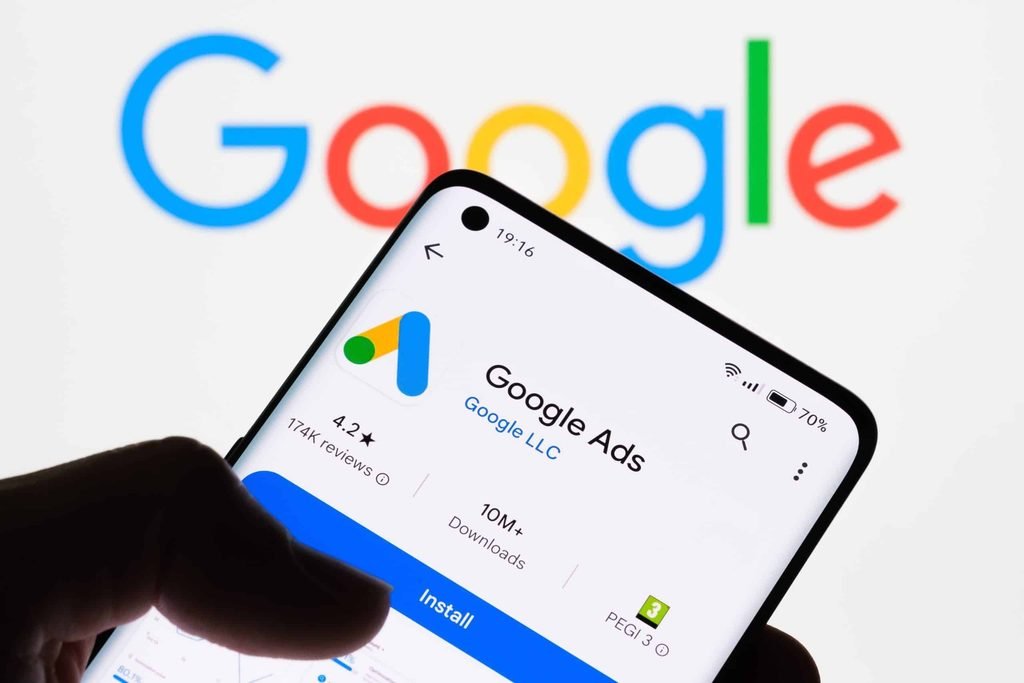
This image represents the role of Google Ads in helping businesses reach potential customers through online advertising. It features a smartphone displaying the Google Ads application, with the Google logo in the background. The visual highlights how businesses can manage advertising campaigns, monitor performance, and connect with their target audience through paid search and digital advertising. Google Ads helps businesses increase website traffic, generate quality leads, promote products and services, and improve online visibility. This image is ideal for digital marketing blogs, Google Ads service pages, PPC advertising guides, and business promotion content.
Today, people turn to Google every day to find products, services, solutions, and information. Whether someone is looking for a nearby restaurant, a digital marketing agency, an app developer, or a professional service, Google is often one of the first places they go.
For a company, that’s a valuable opportunity. But simply having a website doesn’t guarantee that potential customers will find it. Search results can be fiercely competitive, especially for popular products and services.
This is where Google Ads can help.
It’s an online advertising platform that lets you promote what you sell across Google’s advertising network. You can build targeted campaigns that reach people based on their search queries, interests, location, and other relevant signals.
Unlike SEO, which builds organic visibility over time, paid ads can put you in front of customers as soon as a campaign goes live.
But it isn’t just about spending money to show an ad. A successful approach needs proper keyword research, audience targeting, compelling ad copy, relevant landing pages, budget control, conversion tracking, and continuous optimization.
In this guide, we’ll explain what Google Ads is, how it works, its major benefits, the different campaign types, how it can help your company grow, common mistakes to avoid, and how to build a strategy that actually works.
What Is Google Ads?
Google Ads is Google’s online advertising platform. It lets businesses create paid advertisements and reach potential customers across Google’s advertising network. You can use it to promote products, services, websites, apps, and other offerings.
For example, imagine you own a digital marketing agency. A potential customer searches Google for:
“Digital marketing agency for small businesses”
If you’re running a relevant campaign, your ad may be eligible to appear for that search. The person can then click it, visit your website, learn about your services, and possibly get in touch.
This makes the platform especially useful, because you can reach people at different stages of their buying journey.
What Can You Achieve With It?
It can support goals such as:
- Increasing website traffic
- Generating leads
- Promoting products
- Increasing online sales
- Reaching local customers
- Building brand awareness
- Promoting apps
- Supporting specific marketing campaigns
Results depend on campaign quality, competition, targeting, budget, your offer, website experience, and conversion strategy.
How Does Google Ads Work?
The platform runs on an auction system. When a user searches for something that could trigger an ad, eligible advertisers compete for the chance to appear.
The amount you’re willing to pay matters, but it isn’t the only factor. Google also looks at how relevant and high-quality your ad is, along with the overall experience for the user.
A simplified process looks like this:
Keyword or Audience Targeting → Ad Auction → Ad Placement → Click → Landing Page → Conversion
Say you create a campaign targeting searches related to website development. When a potential customer searches for a relevant term, your ad may be considered for display. If they click it, they land on the page you chose. If that page explains your service clearly and offers a strong call to action, the visitor may send an inquiry or request a consultation.
That’s why paid search shouldn’t be treated as an isolated activity. Your ad, landing page, offer, website experience, and conversion process all need to work together.
Why Is Google Ads Important for Businesses?
One of its biggest strengths is that it can reach people while they’re actively searching for something relevant.
Consider two situations. In the first, someone casually sees an ad for a digital marketing agency while browsing. In the second, someone searches:
“Hire SEO agency for my business”
The second person probably has much stronger interest in the service. Paid search lets you appear at exactly that high-intent moment. That’s especially useful if you want leads, sales, enquiries, or other valuable actions.
The platform also gives you performance data, so you can evaluate campaigns and make changes based on real results.
Major Types of Google Ads Campaigns
There are different formats for different marketing goals.
Search Ads
Search campaigns show your ads when people look up relevant terms on Google, like “SEO services near me.” They work well for products and services people actively search for.
Display Ads
Display ads reach audiences through visual banners across websites and other placements in Google’s network. They’re useful for:
- Brand awareness
- Remarketing
- Product promotion
- Reaching broader audiences
They keep your brand visible beyond the search results page.
Shopping Ads
Shopping campaigns are built for businesses that sell products online. They can show an image, product name, and price, so shoppers understand the offer before they visit your site. For online stores, they’re often a key part of paid promotion.
Video Ads
Video placements, including YouTube, let you reach people through moving visuals. You can use them to:
- Build awareness
- Explain products
- Demonstrate services
- Share educational content
- Reach potential customers
Video works especially well when you need more room to tell your story than a text ad allows.
App Campaigns
If you have a mobile app, these campaigns promote it and encourage people to install or use it.
The right format depends on your business model, audience, goals, and the action you want people to take.
How Can Google Ads Help Grow a Business?
It can support growth in several ways.
1. Generate Qualified Leads
The platform helps you reach people who are actively searching. Someone typing “best digital marketing agency for startups,” for example, may already be thinking about hiring.
A relevant ad connects that person with you. Landing pages, contact forms, phone calls, and consultation requests can then turn interested visitors into leads.
2. Increase Website Traffic
Instead of waiting for organic rankings to improve, you can gain visibility for selected searches and audiences right away.
But traffic alone shouldn’t be the main goal. The quality of visitors, and what they do once they arrive, usually matters more.
3. Increase Online Sales
Online stores can promote products to people already searching for them. A strong product page, a competitive offer, clear information, and a smooth checkout can then turn that visitor into a customer.
In that sense, it becomes part of a wider sales funnel, not just a source of clicks.
4. Reach Local Customers
Local companies can target customers in specific areas. This suits:
- Restaurants
- Salons
- Gyms
- Real estate firms
- Repair services
- Clinics
- Professional service providers
It helps you spend your budget on people who are more likely to become customers.
5. Build Brand Awareness
This isn’t only for direct sales. Even when people don’t click, seeing your name repeatedly in relevant places builds familiarity. That’s especially valuable for new companies trying to establish themselves in crowded markets.
6. Reach Customers at the Right Time
Timing matters. Someone searching for a product or service often has a specific need right now, and paid search lets you appear during that moment.
7. Measure Campaign Performance
You can analyze data like:
- Impressions
- Clicks
- Click-through rate
- Cost
- Conversions
- Conversion rate
- Cost per conversion
- Revenue from advertising
This shows which campaigns, keywords, ads, and landing pages are contributing to real results.
Google Ads vs SEO: What Is the Difference?
Both help you gain visibility on Google, but they work differently. Paid advertising gives you visibility while your campaigns run and your budget lasts. SEO builds organic visibility, usually over a longer period.
When you search for a competitive keyword, you’ll often see paid ads and organic results on the same page.
SEO takes more time, but it can become a strong long-term traffic source. Paid ads can deliver faster visibility for selected campaigns. Many businesses use both. The right mix depends on your goals, competition, budget, and customer journey.
How to Create a Successful Google Ads Strategy
Running ads is easy. Running profitable, well-optimized campaigns takes strategy.
Step 1: Define Your Goal
Before you create anything, decide what you want. Your goal could be lead generation, online sales, website traffic, phone calls, brand awareness, or app installs. A clear objective shapes your campaign structure and the metrics you track.
Step 2: Research Your Audience
Get to know your potential customers. Find out:
- What they search for
- What problems they have
- What products they need
- Where they are located
- What influences their decisions
This helps you build more relevant campaigns.
Step 3: Perform Keyword Research
For search campaigns, keyword research is essential. Choose terms that match your products or services, and understand the intent behind them.
Someone searching “what is digital marketing” is probably looking for information. Someone searching “digital marketing agency pricing” is likely closer to a buying decision. Knowing the difference helps you target better.
Step 4: Write Relevant Ads
Your ad should clearly say what you offer. A strong one includes:
- Relevant keywords
- Clear benefits
- Specific services
- A compelling call to action
- Something that sets you apart
Avoid unrealistic promises. The ad should accurately reflect what people will find after clicking.
Step 5: Create a Relevant Landing Page
Sending every click to your homepage isn’t always the best idea. Build pages that closely match the ad and the visitor’s intent.
For example, if your ad promotes SEO services, the landing page should explain those services directly, not make visitors hunt through the whole site. A good landing page is:
- Relevant
- Easy to navigate
- Mobile-friendly
- Fast
- Clear
- Trustworthy
- Focused on one primary action
Step 6: Set a Controlled Budget
Start with an amount you can comfortably manage. Don’t assume that spending more automatically brings better results. Focus on how your costs relate to meaningful business outcomes.
Step 7: Track Conversions
Conversion tracking is extremely important. Instead of counting only clicks, find out whether people take valuable actions afterward, such as:
- Form submissions
- Phone calls
- Purchases
- Consultation requests
- Sign-ups
- App installs
Tracking these lets you make better decisions.
Step 8: Optimize Regularly
Don’t launch a campaign and forget it. Review performance often and look for ways to improve. You may need to adjust keywords, ad copy, targeting, bids, budgets, landing pages, or campaign structure. Steady optimization improves efficiency over time.
Common Google Ads Mistakes to Avoid
Targeting Too Broadly
Broad targeting can show your ads to people who aren’t relevant to you.
Using Irrelevant Keywords
Keywords should match your products, services, and customer intent.
Ignoring Negative Keywords
In search campaigns, negative keywords help stop your ads from appearing for unrelated searches.
Sending Traffic to Poor Landing Pages
A great ad can’t make up for a confusing or irrelevant page.
Focusing Only on Clicks
Clicks are useful, but they don’t equal success. Look at leads, sales, and conversions.
Not Tracking Conversions
Without tracking, it’s hard to know which campaigns actually produce results.
Expecting Instant Profit
Performance often needs testing and fine-tuning. Give campaigns enough time to collect useful data while you keep monitoring them.
How Much Does Google Ads Cost?
There’s no single fixed price. Costs vary depending on:
- Industry
- Competition
- Keywords
- Location
- Audience
- Campaign type
- Quality and relevance
- Budget
- Marketing objective
Some industries have very competitive keywords, while others cost much less.
Instead of asking only “How much does it cost?”, ask: “How much is each qualified lead or customer costing us?” Understanding cost per conversion, and what a customer is worth to you, gives a far clearer picture of performance.
Frequently Asked Questions
What Is Google Ads?
It’s Google’s online advertising platform, which lets businesses create paid ads and reach potential customers across Google’s advertising network.
Is It Free?
No. It’s a paid platform. You generally pay based on the advertising model and campaign activity. The exact cost depends on competition, targeting, keywords, and campaign settings.
Can It Increase Sales?
Yes. It can help you reach potential customers and support sales. But results depend on campaign quality, targeting, offers, landing pages, competition, budget, and conversion strategy.
How Long Does It Take to Work?
Ads can start running once a campaign is approved and active. But strong, consistent performance usually needs testing and optimization.
Is It Better Than SEO?
Neither is automatically better. Paid ads give you paid visibility, while SEO builds organic visibility. Many businesses use both as part of a broader digital marketing plan.
What Is the Best Campaign Type?
No single type is best for everyone. Search, Display, Shopping, Video, and other formats serve different goals.
Do Small Businesses Need It?
It can help small businesses when campaigns are properly targeted and tied to clear goals. Start with a manageable budget and track your results carefully.
Conclusion
Google Ads can be a powerful tool for companies that want to reach potential customers through paid online advertising. It can help you generate leads, increase website traffic, promote products, reach local customers, build brand awareness, and support online sales.
But good management goes far beyond writing an ad and setting a budget. A strong campaign starts with a clear objective and a solid understanding of your audience. It also needs relevant ad copy, suitable landing pages, accurate conversion tracking, and continuous optimization.
Remember that results are never guaranteed, and money alone doesn’t buy them. The goal is to attract the right audience and encourage meaningful actions that contribute to growth.
When paid search is combined with a strong website, relevant landing pages, effective offers, SEO, content marketing, and other digital strategies, it becomes an important part of your overall marketing system.
Whether you’re a small local business, an online store, a start-up, or an established company, a well-planned strategy can help you reach potential customers at important moments in their buying journey.
The key is to focus on relevant, measurable results, a good customer experience, and constant improvement.
Ready to Grow Your Business With Google Ads?
Your potential customers are already searching for products and services online. A well-planned campaign can help you reach the right audience at the right time and turn relevant searches into valuable opportunities.
Our digital marketing agency can help you plan, launch, manage, and optimize campaigns based on your business goals. From keyword research and ad creation to landing page optimization, conversion tracking, and performance analysis, we can help you build a more effective paid advertising strategy.
Get in touch with our team today, and let’s create a Google Ads strategy designed to help your business reach more customers and grow online.